❋
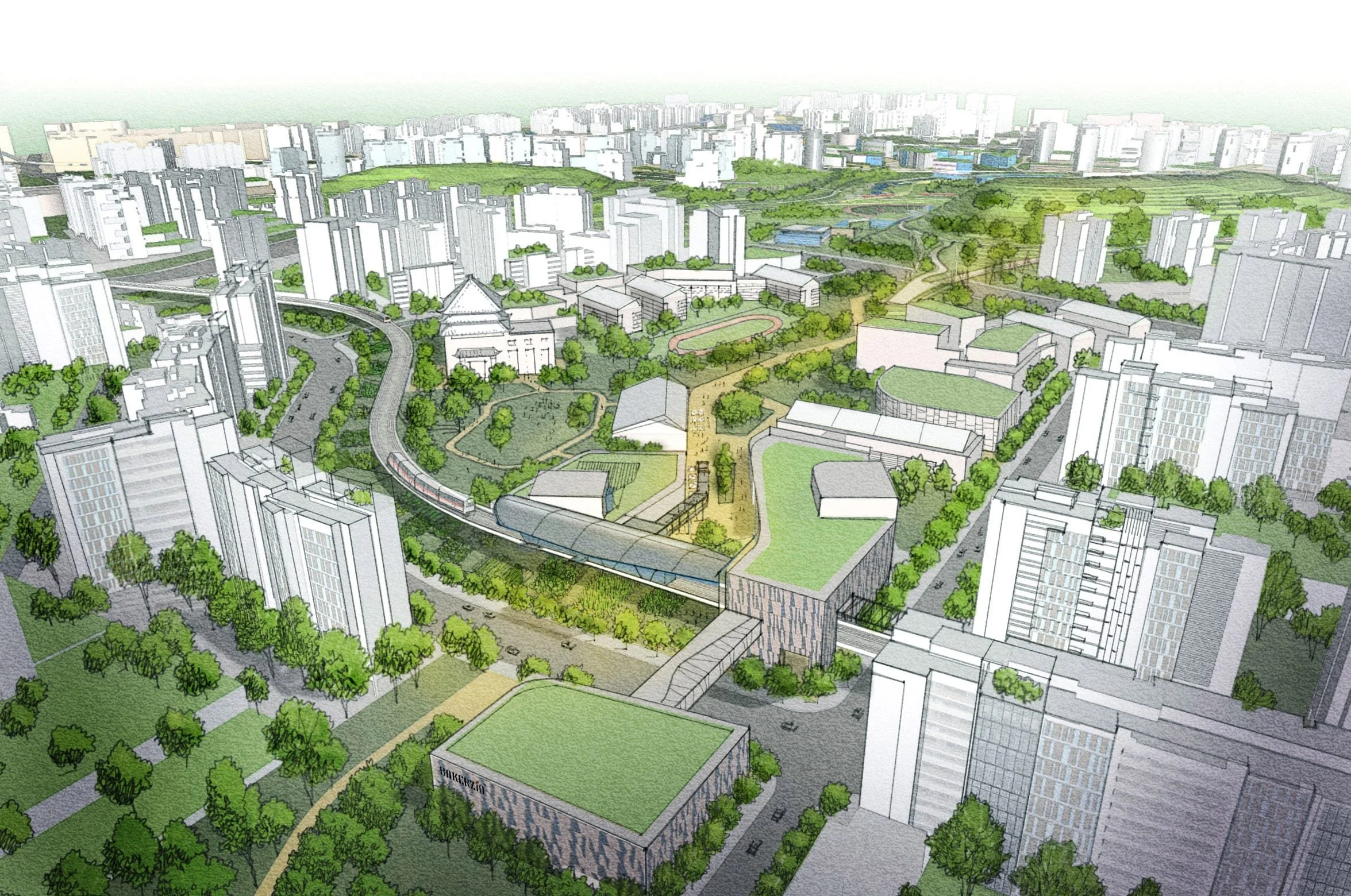
Modernisation of HDB Contact Centre
Government · Contact Centre Operations
❋ Problem StatementOutlining the potential pain point of agent experience and citizen experience
Call agents relied on manual, offline processes and had to switch between numerous legacy systems just to retrieve customer information and log a single case - a workflow that was slow, error-prone, and difficult to scale. On the citizen-facing side, the absence of self-service meant every caller, regardless of query complexity, needed direct agent handling - driving up wait times and limiting the contact centre's capacity, particularly during high-demand periods.
❋ ChallengesHDB's contact centres ran on a legacy, on-premise telephony system nearing end-of-life, with agents toggling between multiple fragmented reference systems to handle a single call. With no self-service options, every enquiry required agent intervention, leading to long wait times and high call abandonment, especially during peak periods like sales launches.
❋ HypothesisHDB's contact centres ran on Avaya, an old on-premise telephony system that was being shut down. Moving to a cloud-based system would solve this urgent problem, and also open the door to AI driven capabilities - like real-time transcription and call summaries that the old system couldn't support.
❋ GoalModernising the agent workflow and experience from the ground up - consolidating fragmented tools into one intuitive workspace, streamlining how cases are logged, and introducing AI capabilities that reduce manual effort and improve the quality of service. The solution needed to scale across multiple business units, not just one.
❋ Target UsersPower users: Call Agents (Front line, handling calls and case logs directly) Supervisors (Manage skillsets, monitor queues, oversee floor operations) Managers (Track performance metrics and KP)
End users: Citizens (Callers who benefit from shorter wait times and improved self-service)
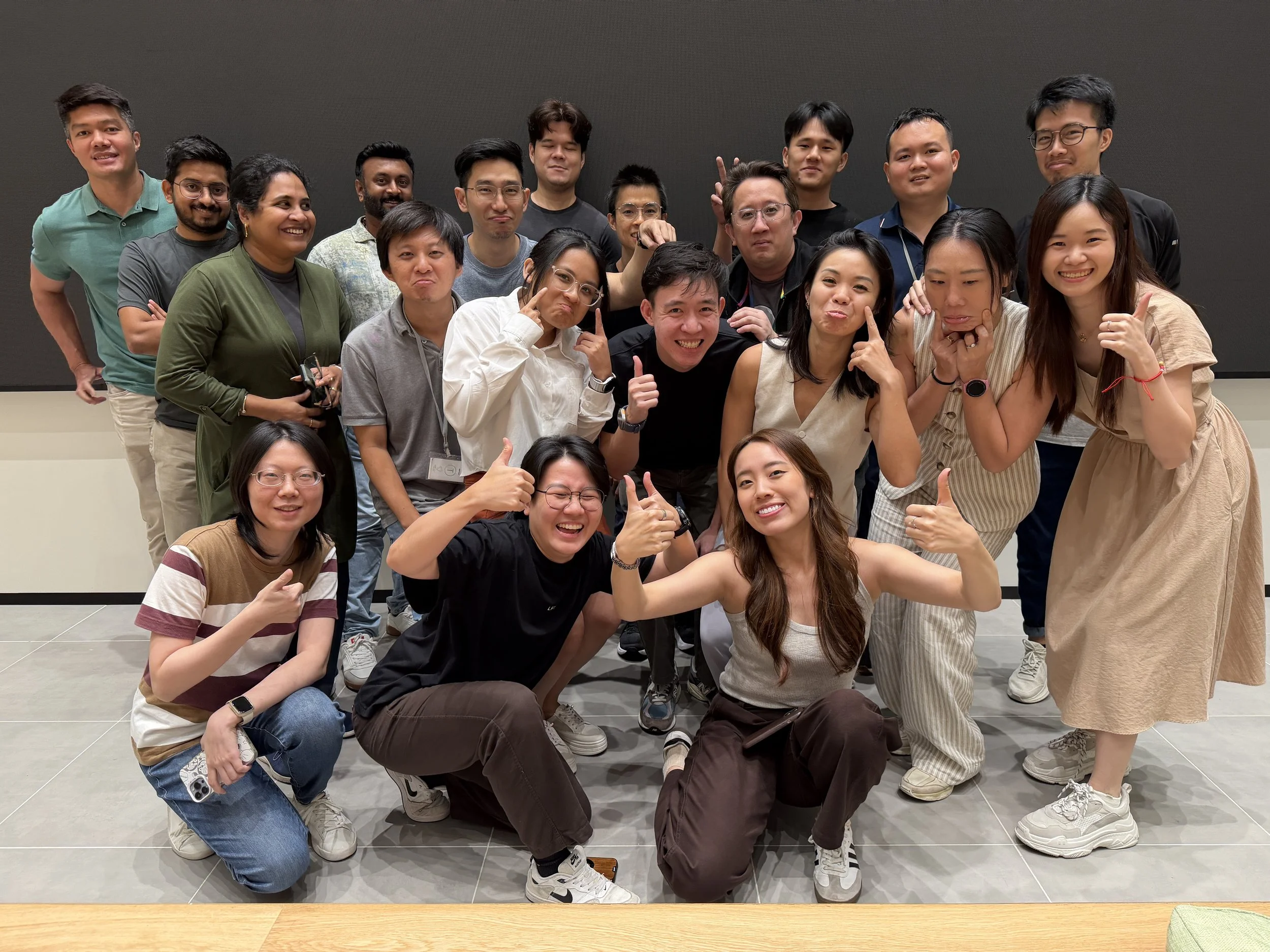
❋ Project OverviewTeam: 2 Product Managers, 1 User Experience Design Lead, 2 User Experience Designers, 12 Software Engineers, 2 QEs.
Client: Housing Development Board, Singapore (HDB)
Project Duration: January 2025 - Present
My Contribution: I was given opportunities to lead user research sessions with call agents and supervisors - sitting with them, observing their calls, and understanding where the real friction lived in their day. I designed and iterated on the screens for the consolidated case logging system, running user testing to validate the workflow before launch. I also helped facilitate stakeholder workshops to align HDB's business units on shared requirements, since scaling this beyond one contact centre depended on getting buy-in early, not just good screens.
How Might We:
Modernise HDB's contact centre operations to improve agent efficiency, empower supervisors and managers with better tools, and lay the foundation for AI-driven support?
In the beginning...Discovery Phase
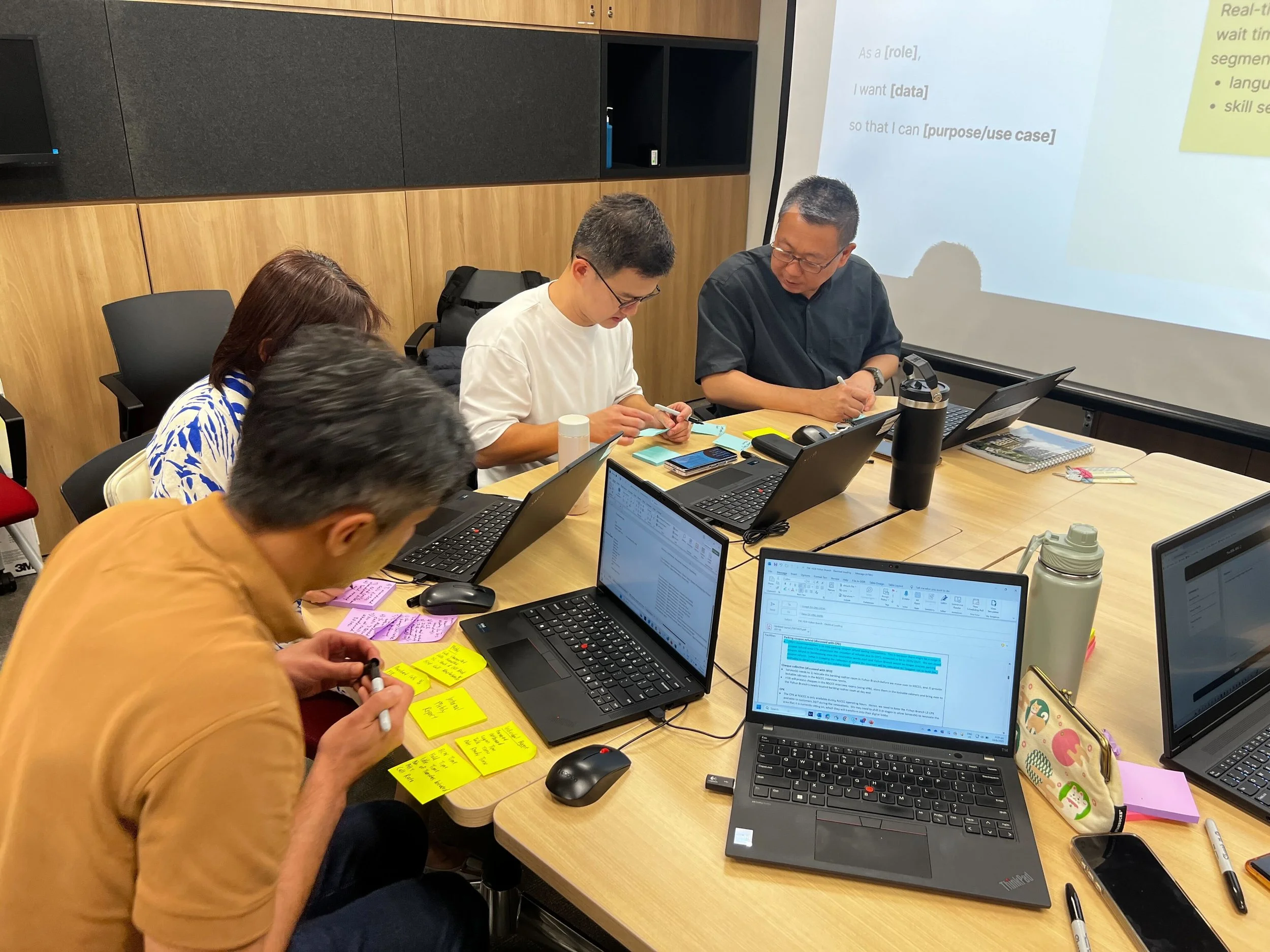
We launched by starting out discovery phase, focused on understanding how agents on the ground actually worked - not how we assumed they worked based on their existing workflow.
User Research
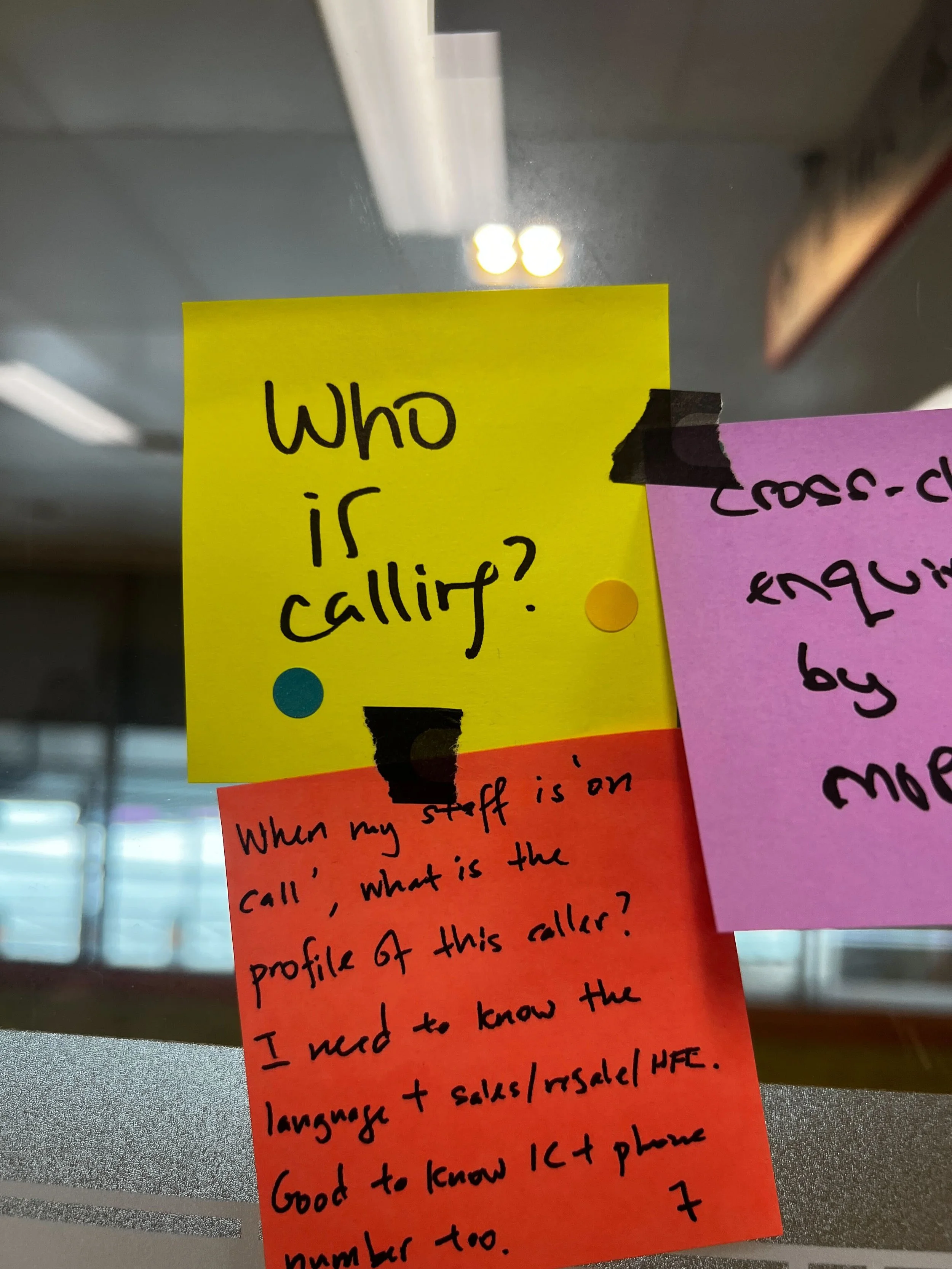
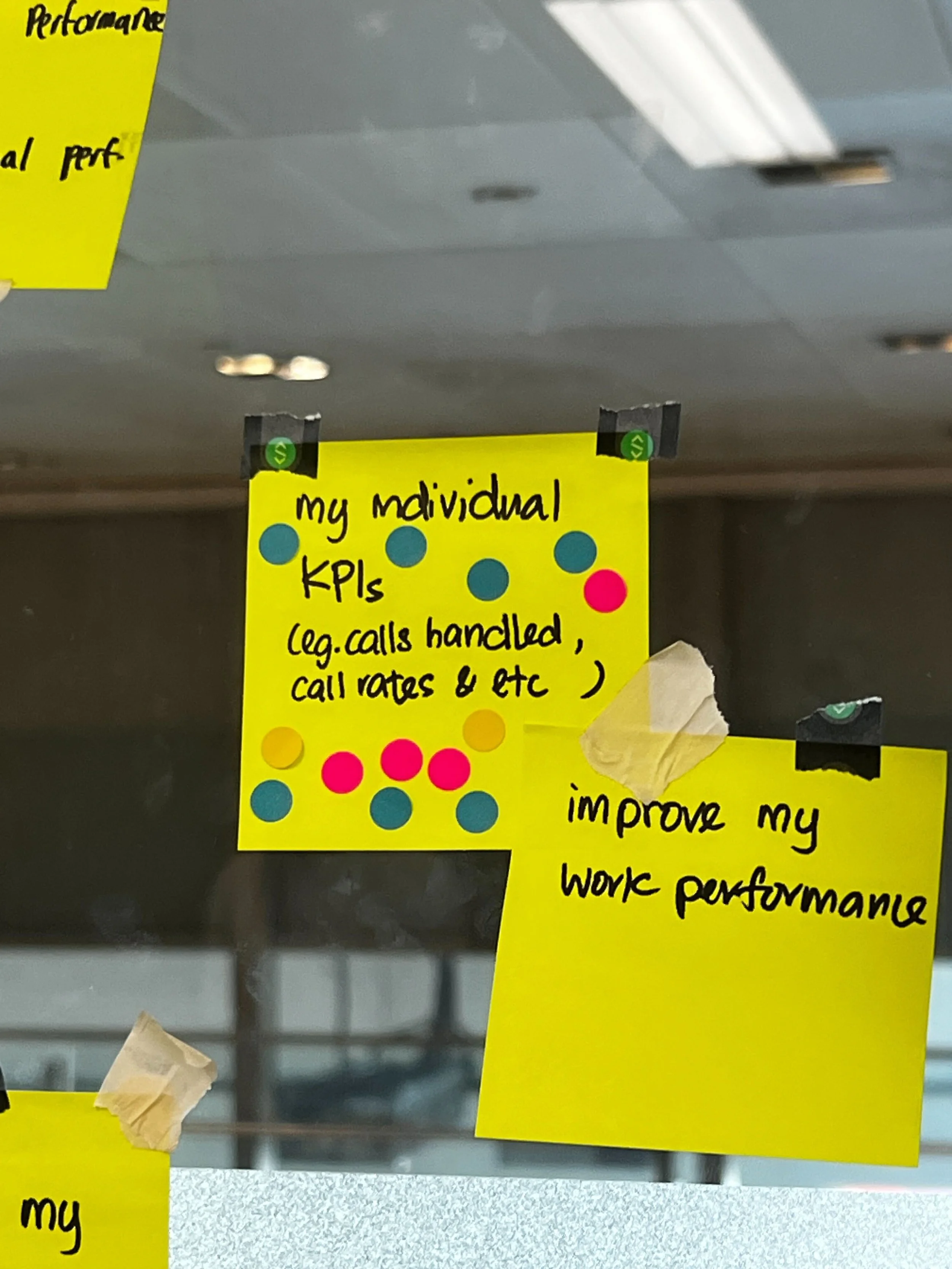
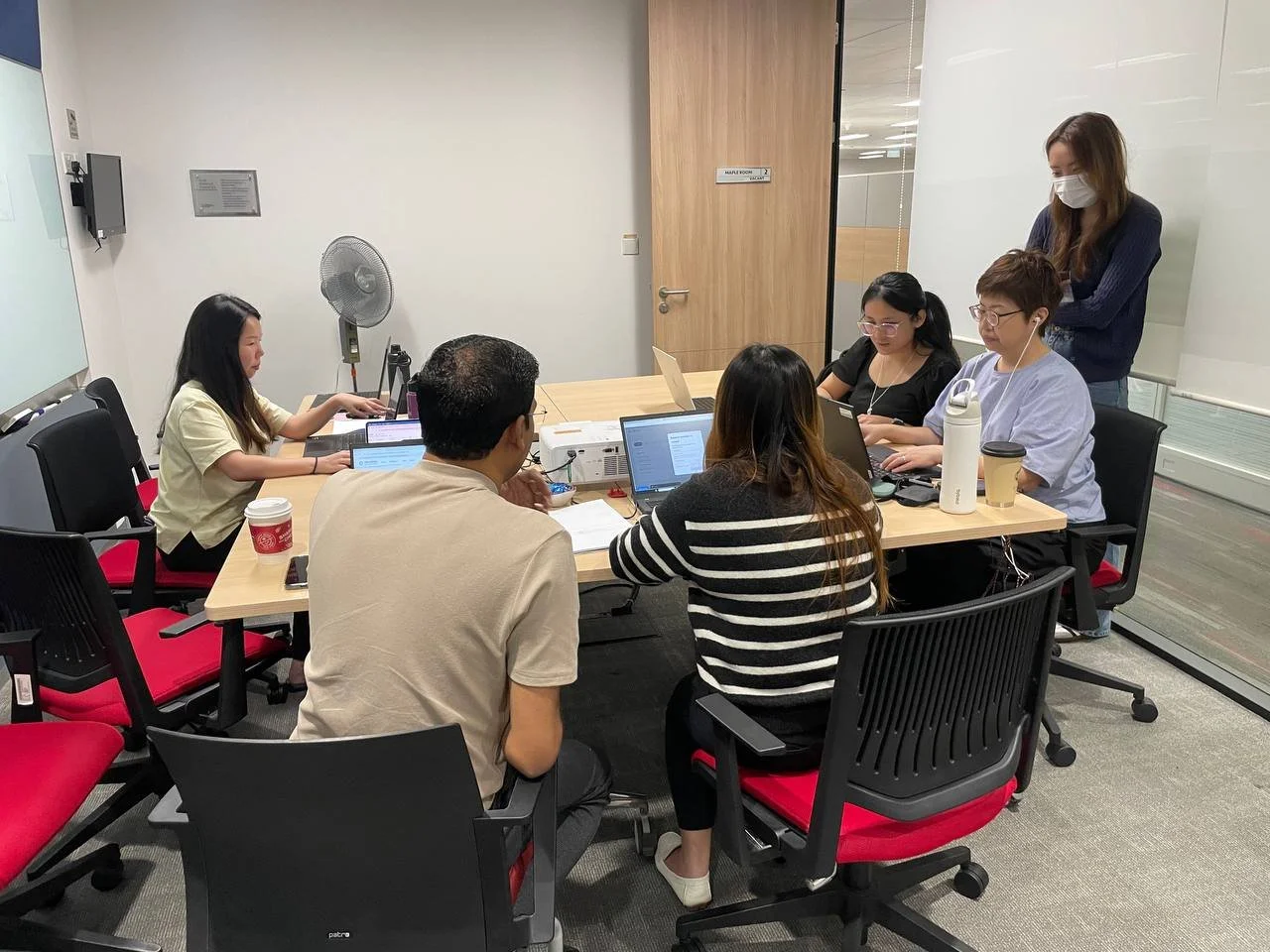
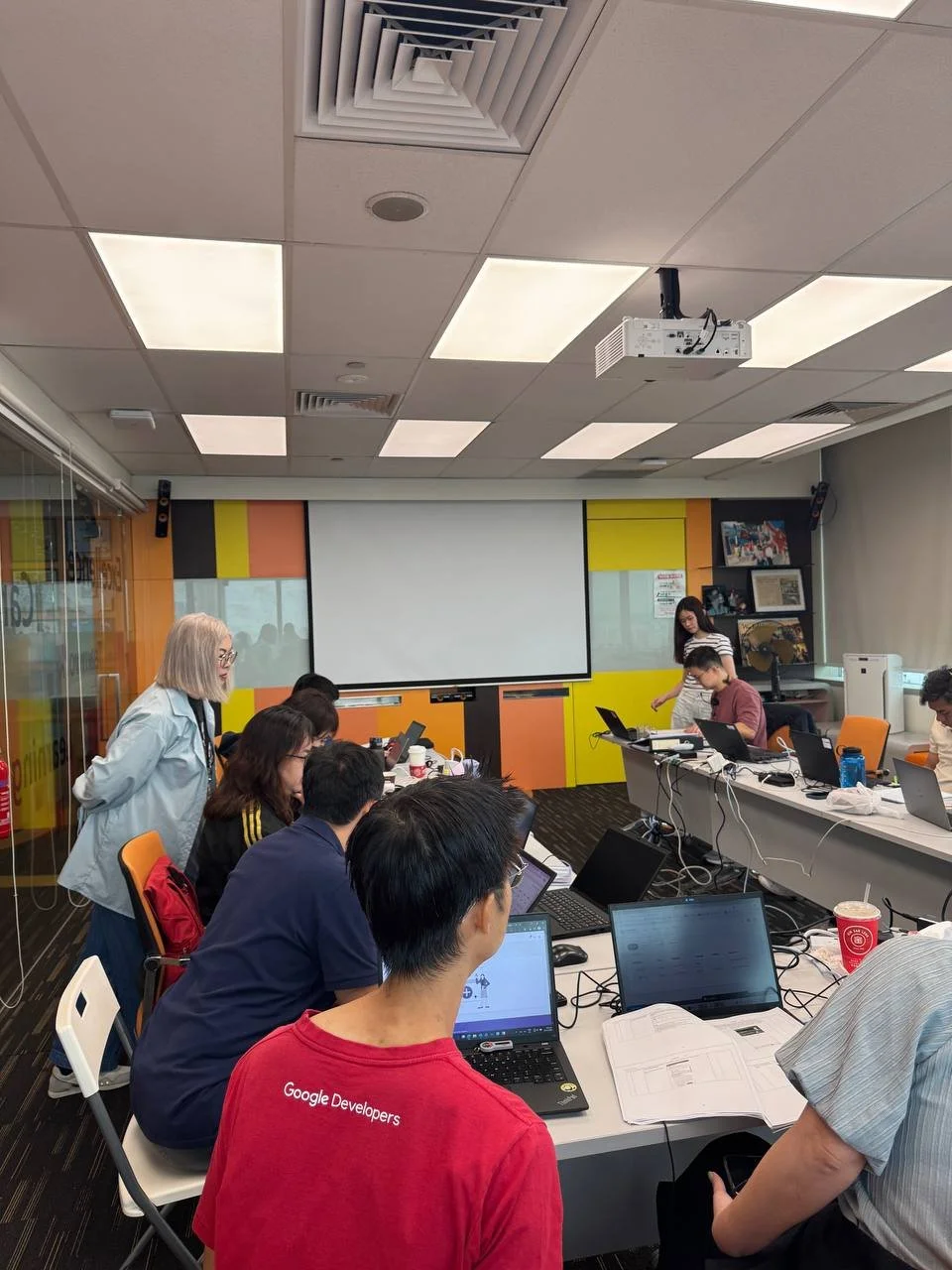
I had opportunities to lead research sessions observing agents handling live calls, documenting how toggled between disconnected legacy systems to verify a caller's identity, look up their history, and log the outcome - often across five or more separate tools for a single case.
• Contextual inquiry, Moderated user interview
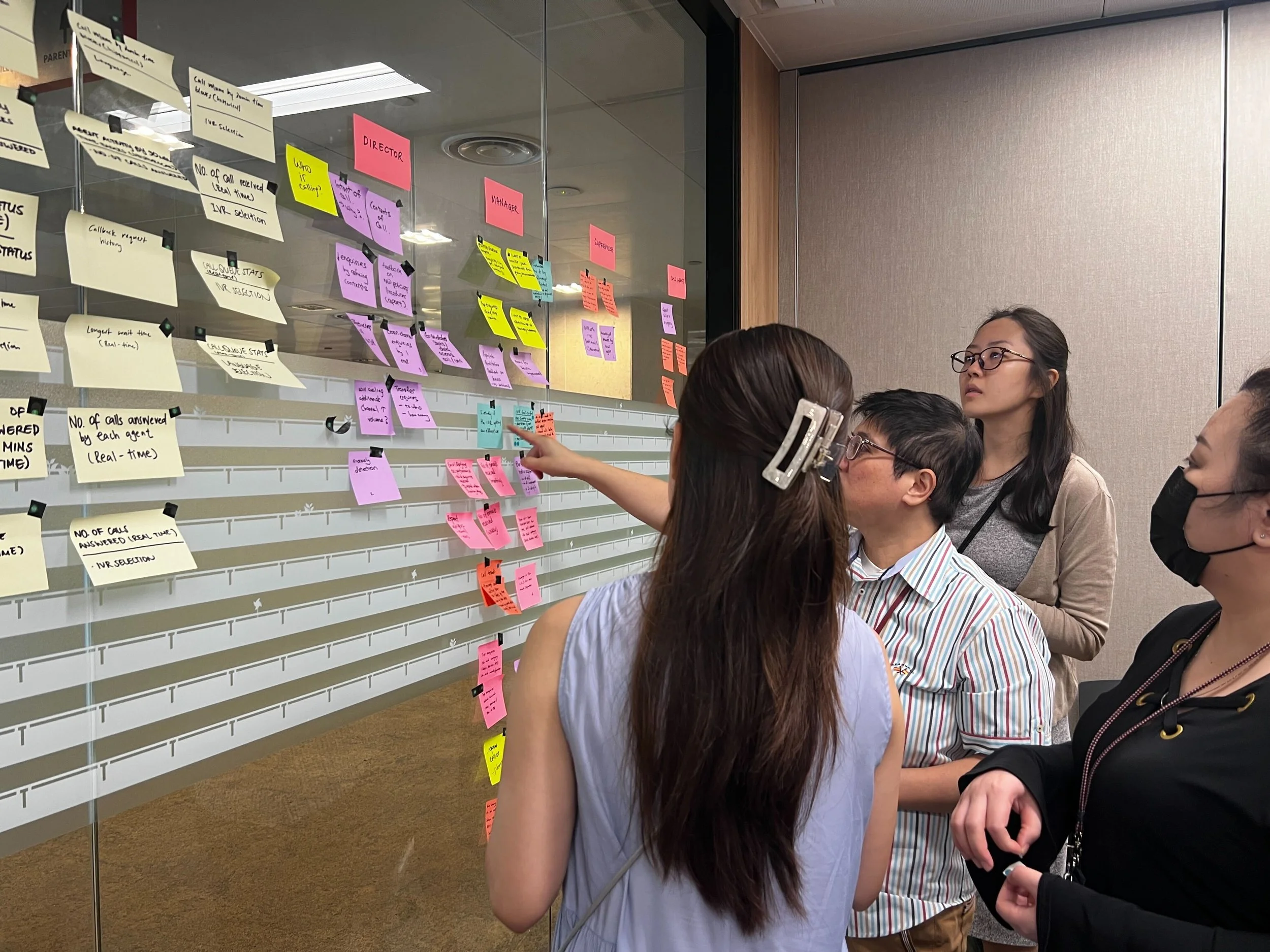
• Data collection, Affinity mapping (Further synthesis)
• Thematic analysis, Insights generation based on patterns
Stakeholder Workshops
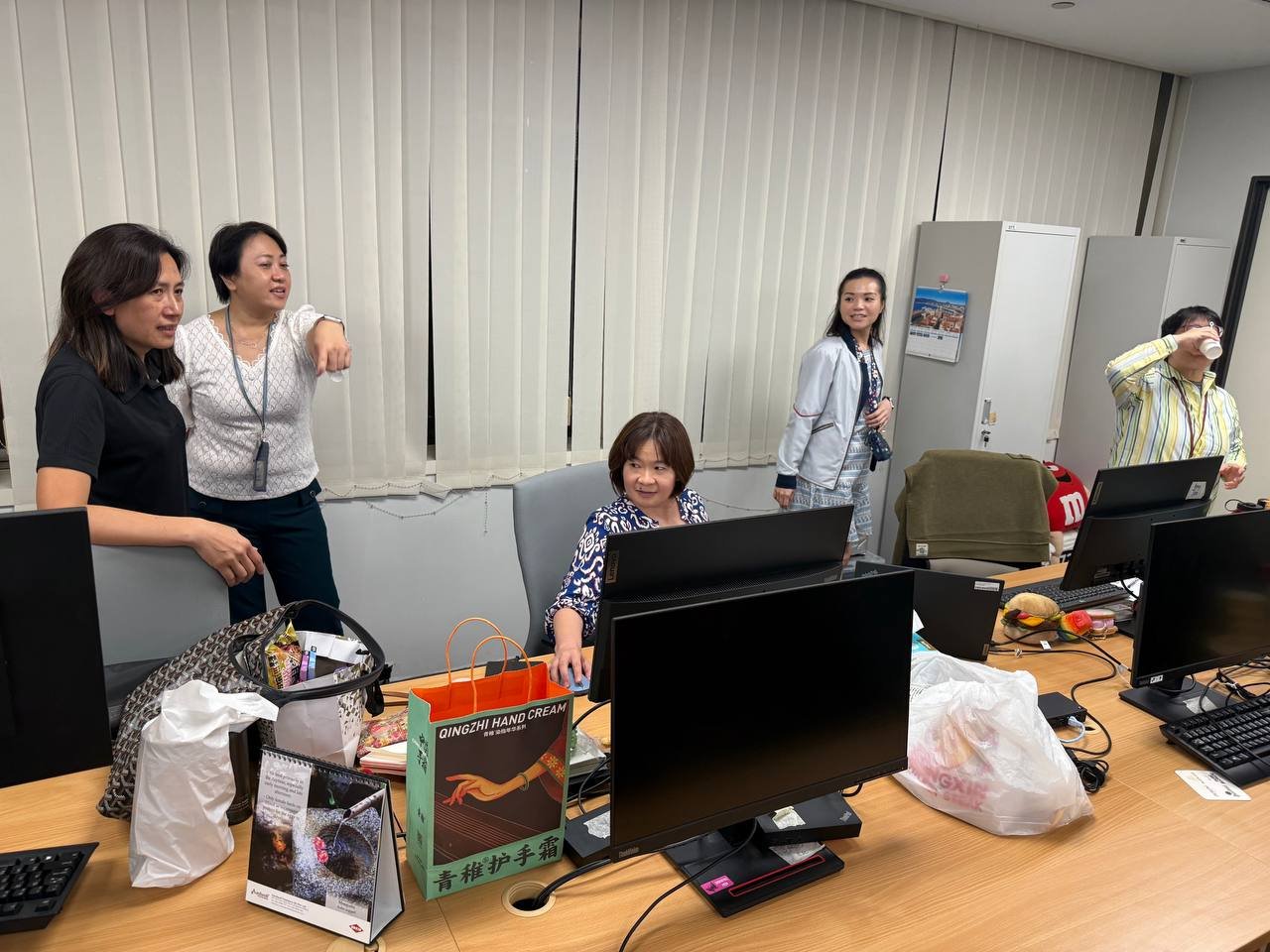
Facilitated alignment workshops bringing together HDB's business units, since each contact centre had grown its own workarounds over time. Getting everyone to agree on shared pain points before jumping to solutions - it took longer than expected, but was necessary groundwork.
• Key metrics wishlist (Data reporting needs)
• Data synthesis
and then... Define
With research findings in hand, the define phase was about turning scattered pain points into a shared, actionable plan - agreeing on what to build, and in what order, across all four business units.
Defining Shared Objectives
Worked with stakeholders to co-define near-term goals: an agent workspace that improves productivity, smart tools to reduce the volume of enquiries needing officer intervention, and analytics to track it all.
• Timeline sign-off
• Scope alignment for MVP
• Shared goals, KPIs
Service Design Mapping
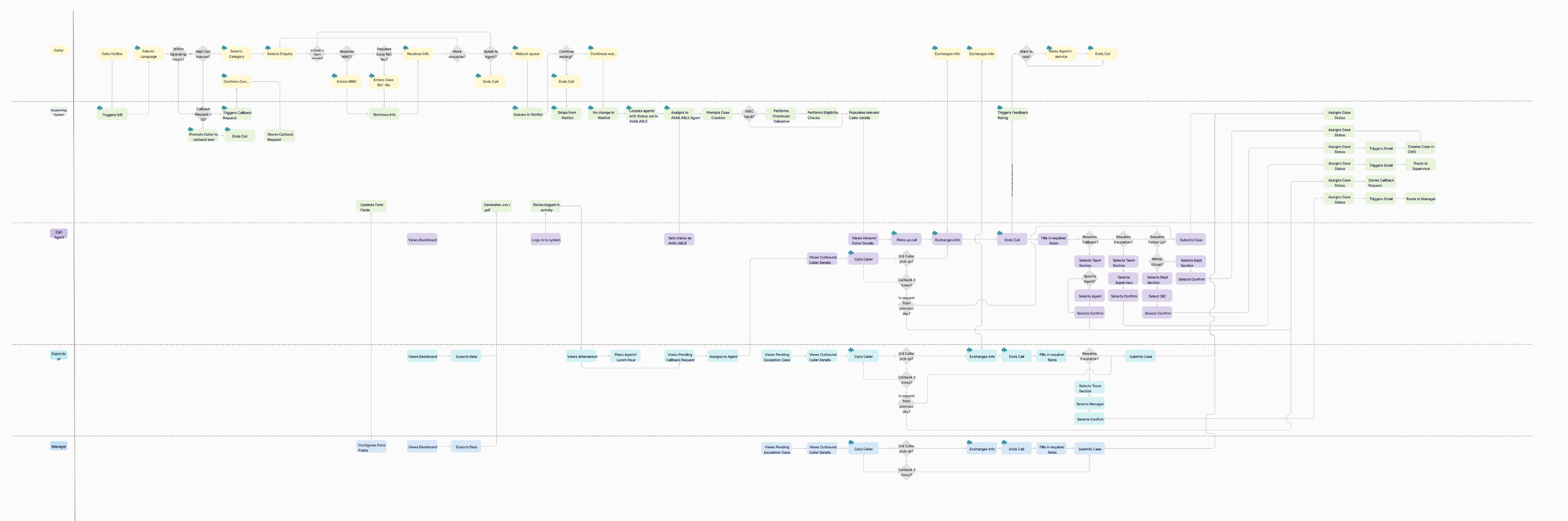
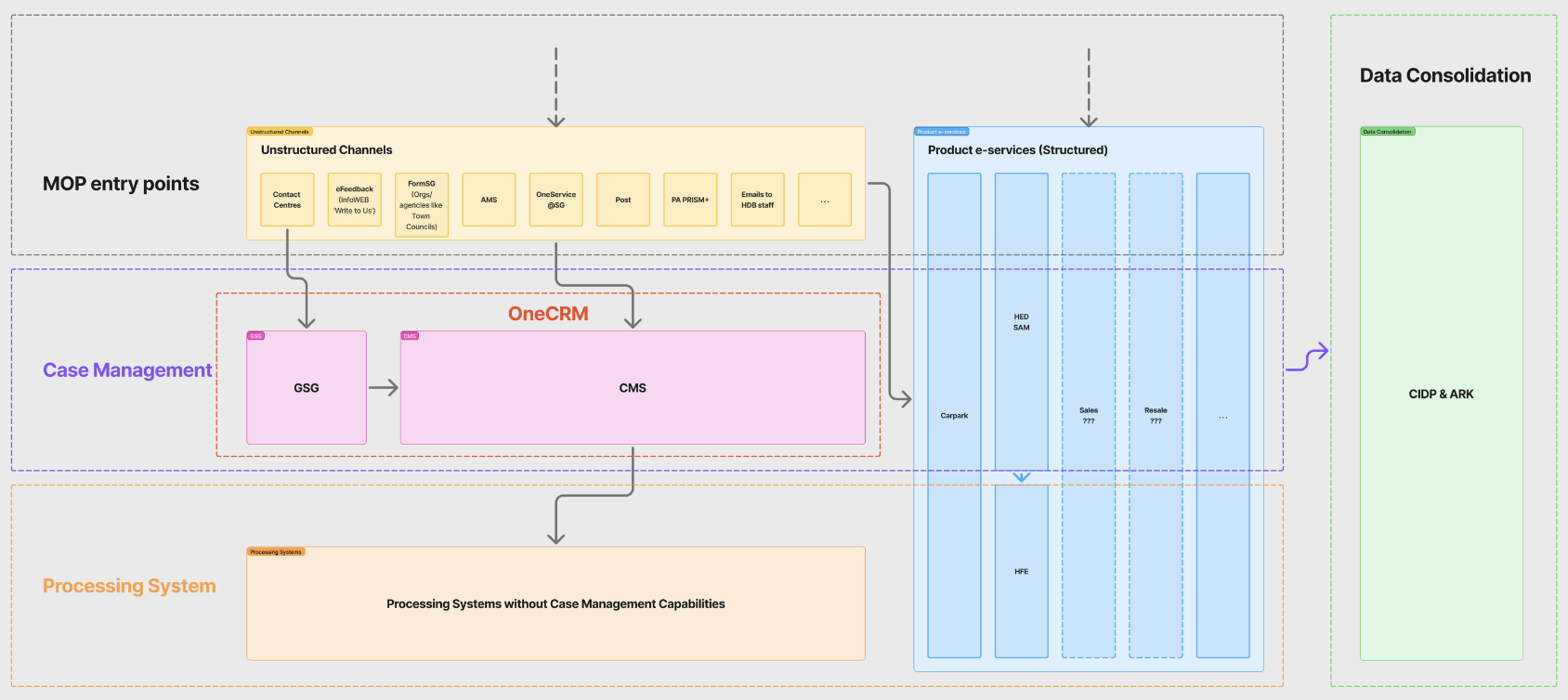
Mapped the broader service blueprint connecting citizen-facing touchpoints to backend agent workflows, to make sure we weren't just redesigning a screen - we were redesigning the handoffs between systems, teams, and people.
• Upstream and downstreams integrations
• Identify points of system fragmentation, trade-offs
• Tech feasibility
• Risk and dependencies
• User stories (As a user…. So that I can…)
Aligned objectives across all four business units, with a roadmap that balanced quick wins against longer-term AI ambitions.
Outcome
Moving on too... Develop
With objectives agreed on, development kicked off with a deliberately narrow scope, proving the concept on a single business unit before scaling further * For context, HDB has many departments, with each handling a specific type of call enquiry)
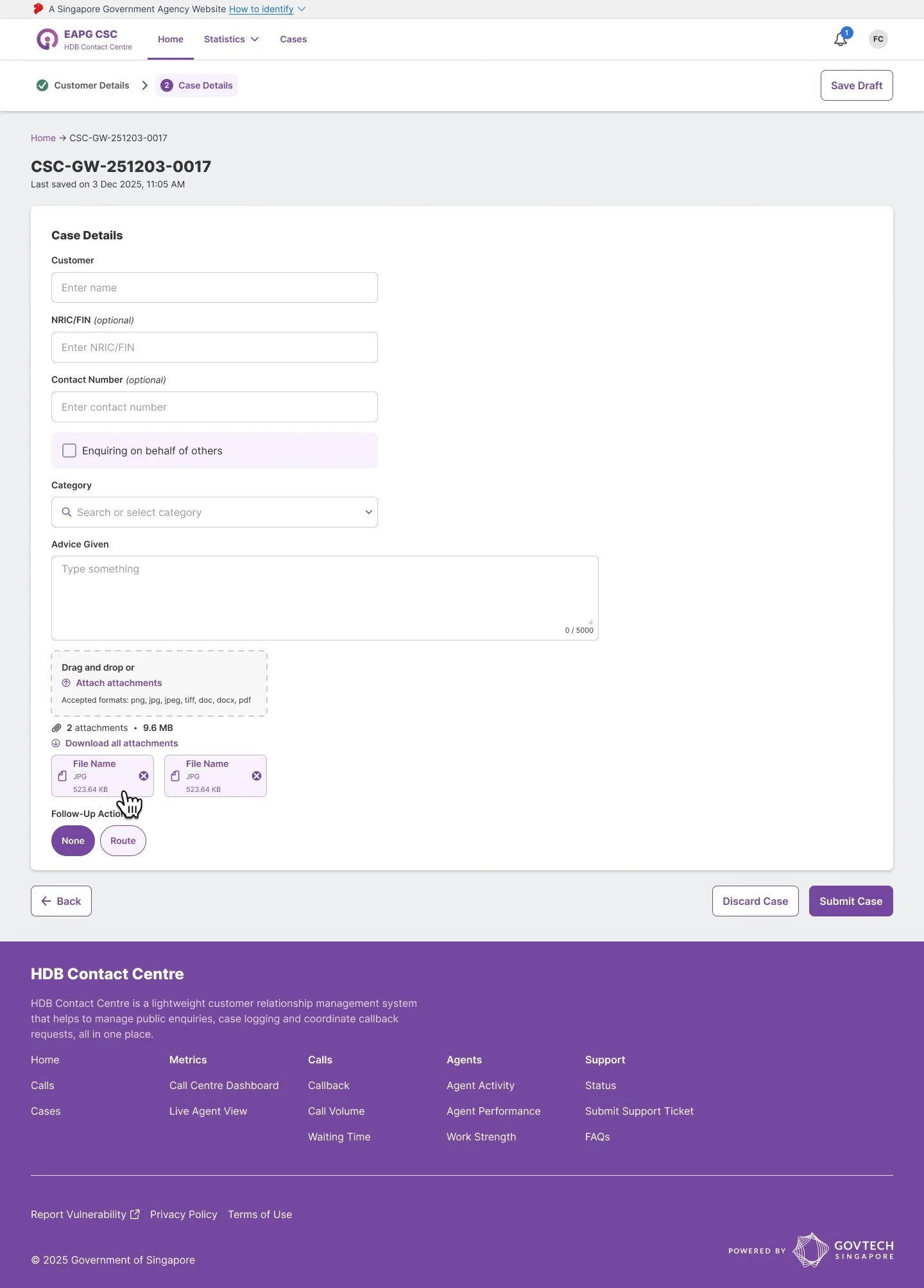
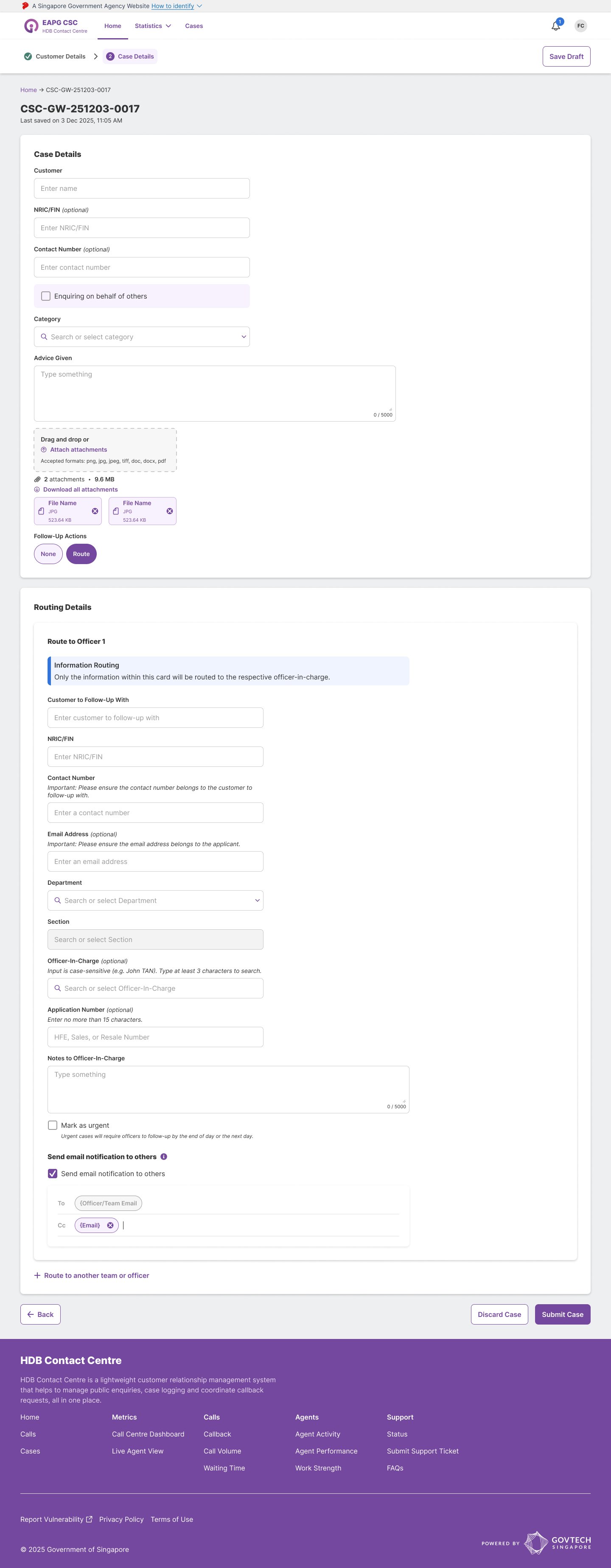
Designed the consolidated case logging screen and unified customer profile, pulling data from 11 separate HDB systems into a single view - replacing what used to be manual lookups across Lotus Notes and other legacy tools.
• Iterative process
• Referencing data collected during prior discovery sessions
Case Logging Redesign
Tested early iterations directly with agents, refining based on what actually slowed them down in practice, not just what looked cleanest.
• Plugging of important fields into forms and get user validation
• Form completion time on GSG versus old system
User Testing
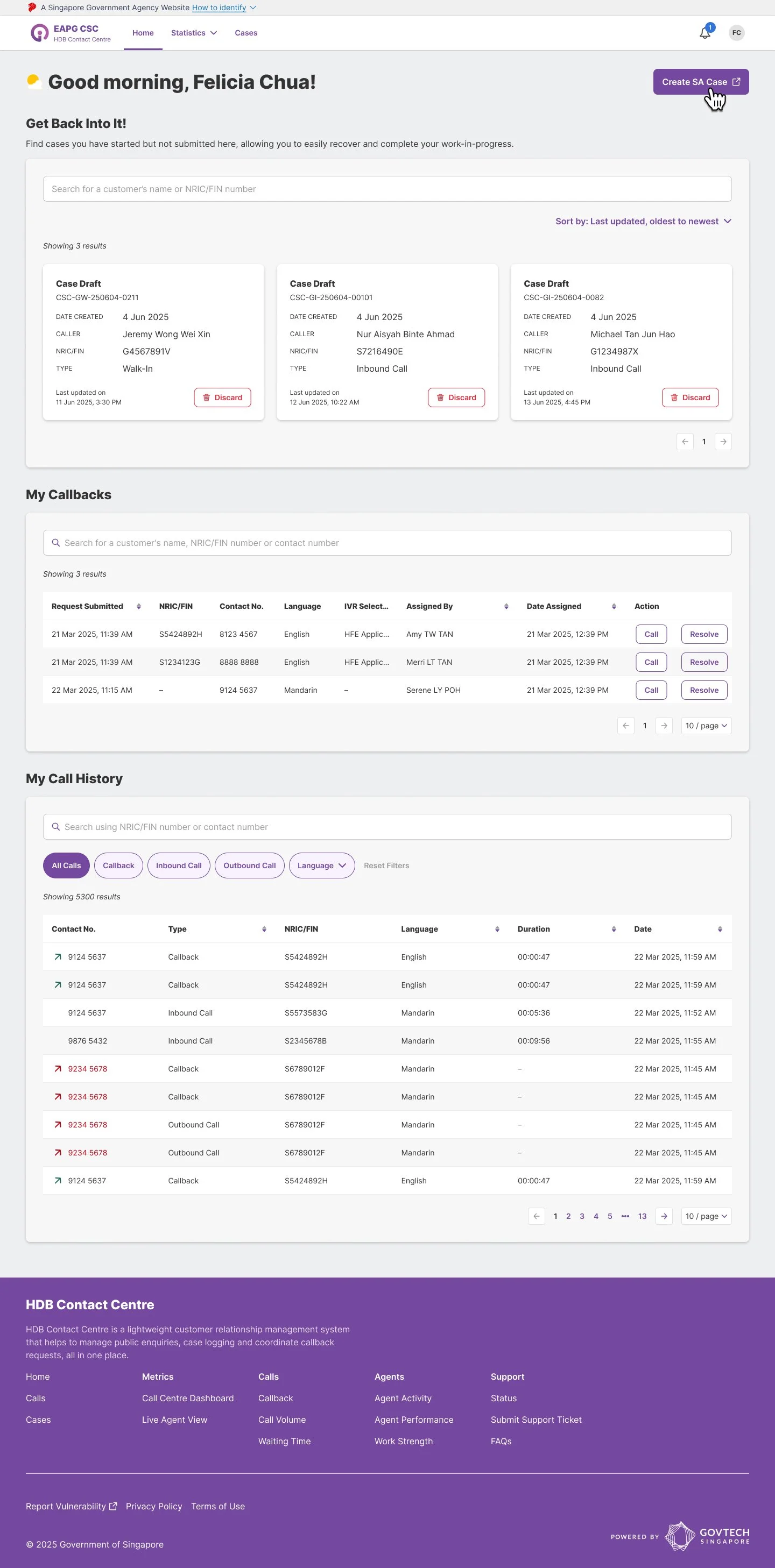
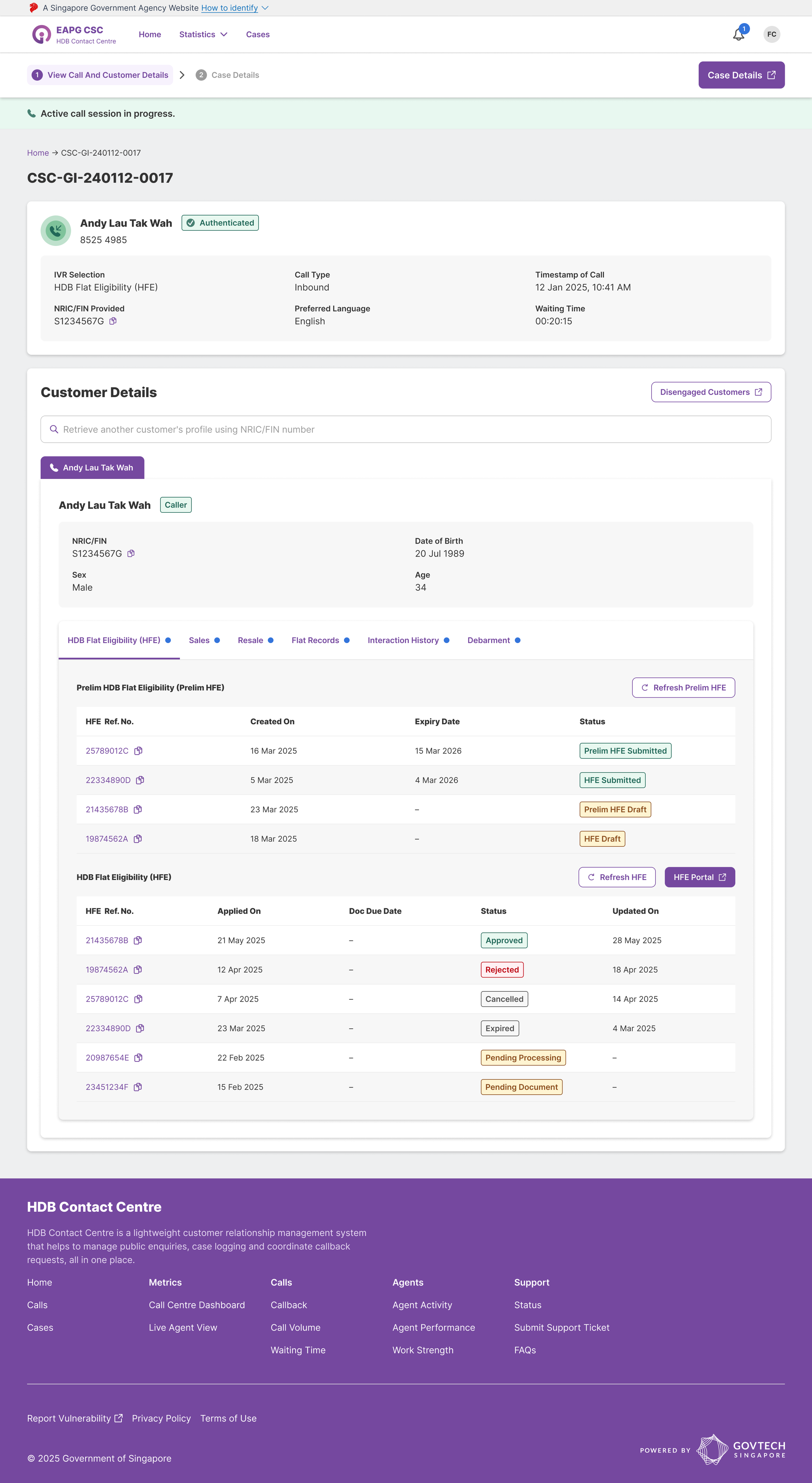
First contact centre successfully live on the new system - with case logging time and after-call work (ACW) for agents significantly reduced, thanks to the consolidated customer view eliminating the need to manually cross-reference multiple legacy systems. This early win validated the workflow before scaling further.
Outcome
Designing the case logging screen meant constant iteration. We mapped our proposed flow directly against CMS's existing case logging structure to understand what fields agents were already required to fill, and importantly, which ones actually mattered.
Early drafts carried over too many fields simply because CMS had them, which made the form long and repetitive to fill in after every call. We went through multiple rounds of cutting non-essential fields, questioning each one: Is this field actually used downstream, or is it just being captured out of habit?
For every field that remained, we also had to verify with Tech whether the integration point was technically feasible. Pulling data automatically from the right backend system rather than assuming a field could simply be added because it made sense on paper. Some fields we wanted to auto-populate had to be reconsidered or reworked once we found out the underlying system couldn't support it within our timeline. The final form that shipped was leaner than our early drafts, shaped as much by what was technically possible as by what agents actually needed. This flow above was part of the initial MVP.
Big Ideas, Real Impact – Deliver
With the first rollout validated, the focus shifted to scaling the same workflow across HDB's remaining contact centres, and layering in AI capabilities the team had been building towards from the start.
Extended the case logging workflow to the remaining three contact centres, adapting the design to each unit's specific case types while keeping the core experience consistent.
Scaling Across Business Units
Introducing AI integration
Layered in real-time call summarisation (Amazon Contact Lens), to automatically transcribe each call and generate a summary, attached directly onto the case - giving agents and supervisors a ready reference instead of relistening to recordings or retyping notes from memory which leads to longer after-call-work (ACW) time.
One challenge stood out early: our callers speak with a distinctly Singaporean accent, often mixing in local terms and phrasing the model hadn't been trained on. Early transcripts occasionally misheard names, addresses, or context-specific terms, which meant the AI-generated summary couldn't simply be treated as ground truth. To account for this, we decided to allow agents to edit the summary field directly within the Amazon CCP, letting agents correct inaccuracies in the moment rather than being stuck with an unreliable record - a necessary safeguard while the underlying model continued to be trained on local speech patterns.
To validate this more rigorously, supervisors and managers conducted a structured evaluation of 300 sampled cases, scoring each AI-generated summary against a defined accuracy banding to quantify the model's error rate. Summarisation went live for agents in English only, paired with a non-dismissable AI-disclaimer banner as required under generative AI governance guidelines. A second round of evaluation is now underway, assessing whether accuracy - particularly around local speech nuances has improved enough to extend the feature further.
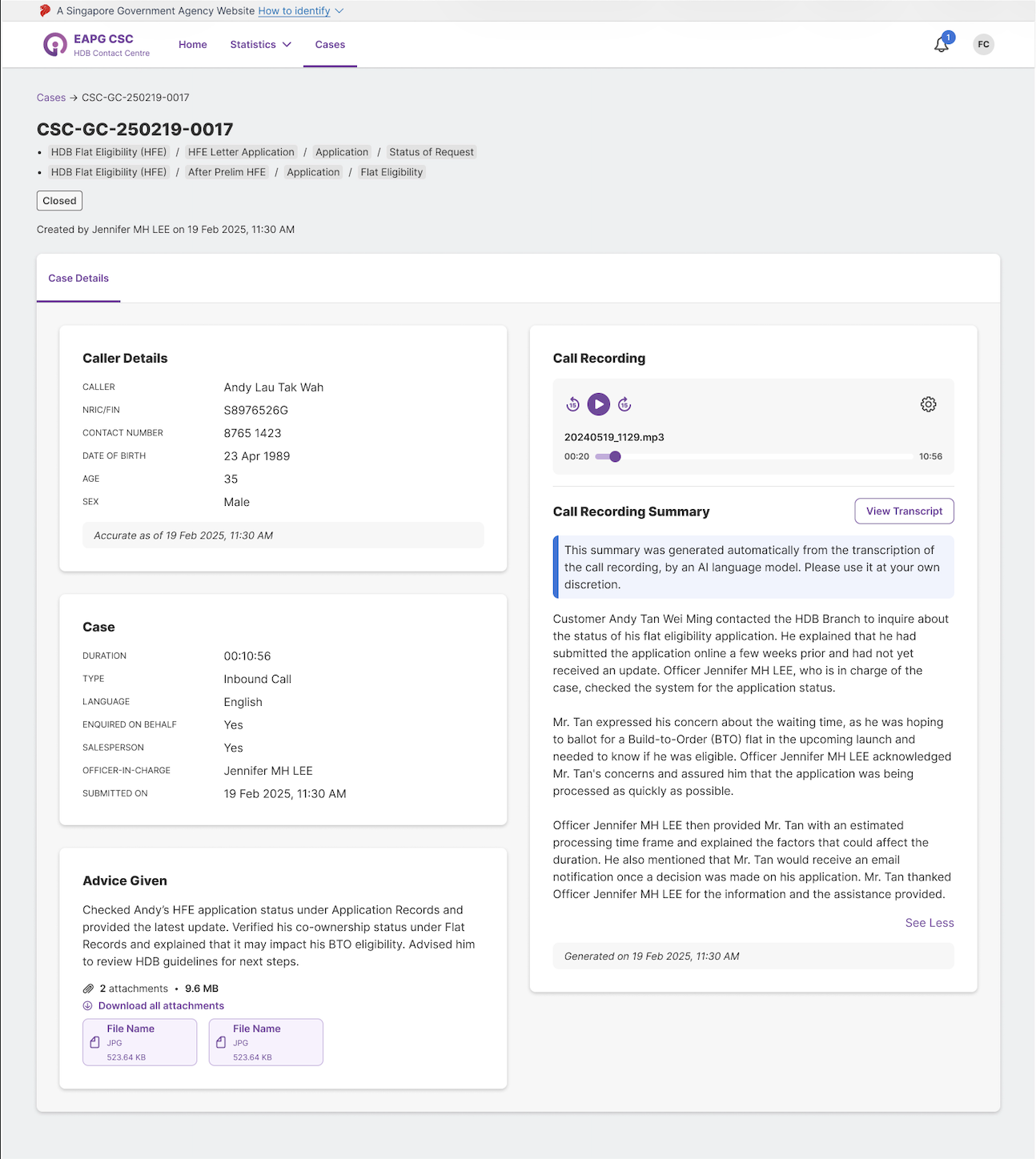
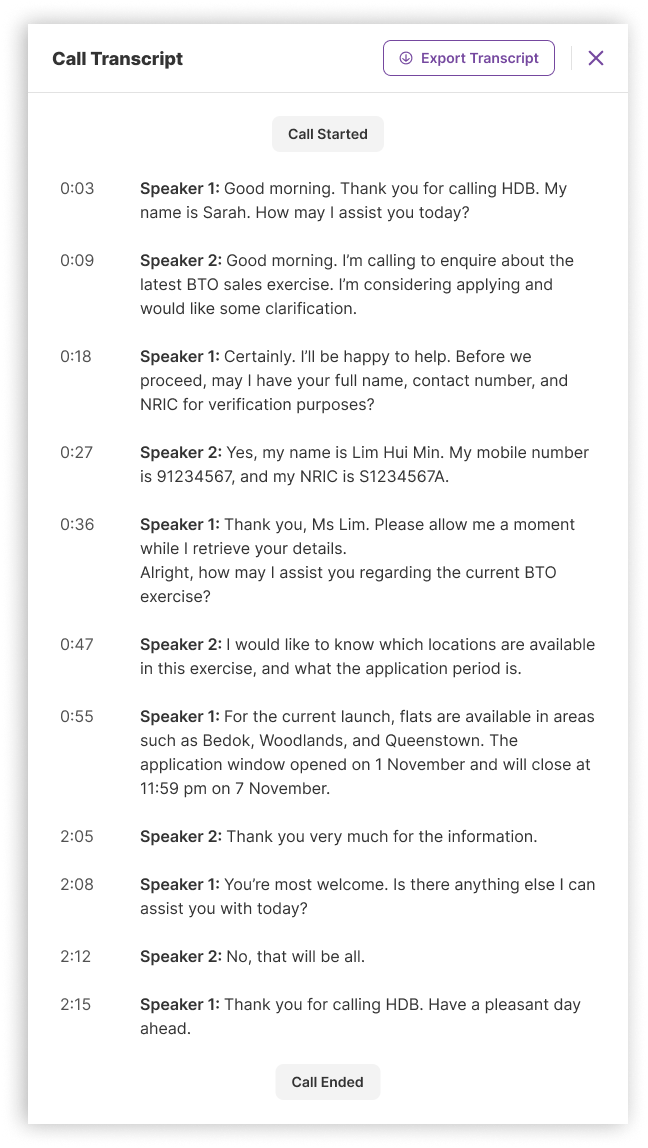
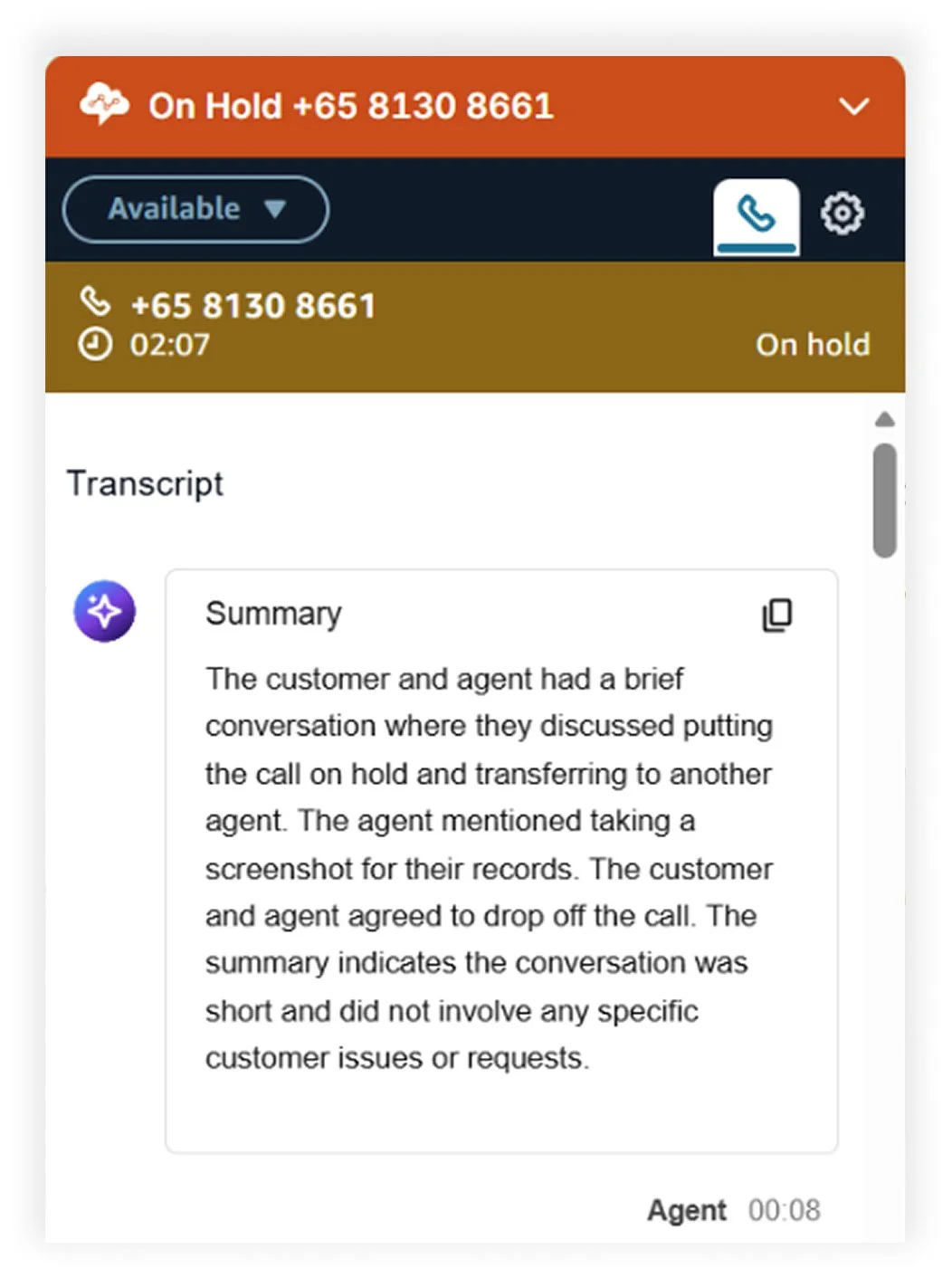
Call agent ends call > Logs case on Case Details > Submits Case > Clicks on Case ID > Views Case Details > View Call Summary + Transcription
Impact
4 minutes ↓
A post-launch assessment across 50 sampled calls showed a marked reduction in after-call work (ACW) time, with agents spending significantly less time on manual documentation now that a summary is auto-attached to each case.
Reduced in ACW Time (on avg) From 11 mins to 7 mins
8 seconds ↓
With a consolidated customer profile, pulling data from 11 separate HDB systems into a single view, it helped reduce aversge call handling time by 8 seconds per call. A small number on its own, but multiplied across thousands of calls, it reflects a meaningful drop in the manual toggling agents used to do just to retrieve caller’s basic details.
Reduced average call handling time by 8 secs (less toggling between systems)
20% of calls deflected from agent to IVR self-help
Enhanced self-help options within the IVR allowed ~20% of EAPG's calls to be resolved without ever reaching an agent, reducing agent workload and freeing up capacity for enquiries that genuinely needed a human touch.
Additional Links
Housing Development Board, Singapore